You're eating clean.
You're tracking your food.
You're working out consistently.
But the scale still won't budge.
For many women, weight loss plateaus aren't about willpower. They're often tied to metabolism, hormones, stress, and appetite regulation. That's why in 2026, more women are looking beyond simple calorie counting and adding targeted nutrition support to their routines.
Here are five things women are adding to their diets right now—and why each one actually makes sense from a metabolic standpoint.
1. GLP-1 Supporting Supplements
One of the biggest conversations in metabolic health right now revolves around GLP-1—a hormone your gut releases after eating that signals your brain to stop eating, slows digestion, and helps stabilize blood sugar.
While prescription GLP-1 medications have exploded in popularity, many women are exploring natural ways to support their body's own GLP-1 response through diet and supplementation. The idea isn't to replace medication—it's to give your body the nutritional building blocks it needs to regulate hunger more effectively on its own.
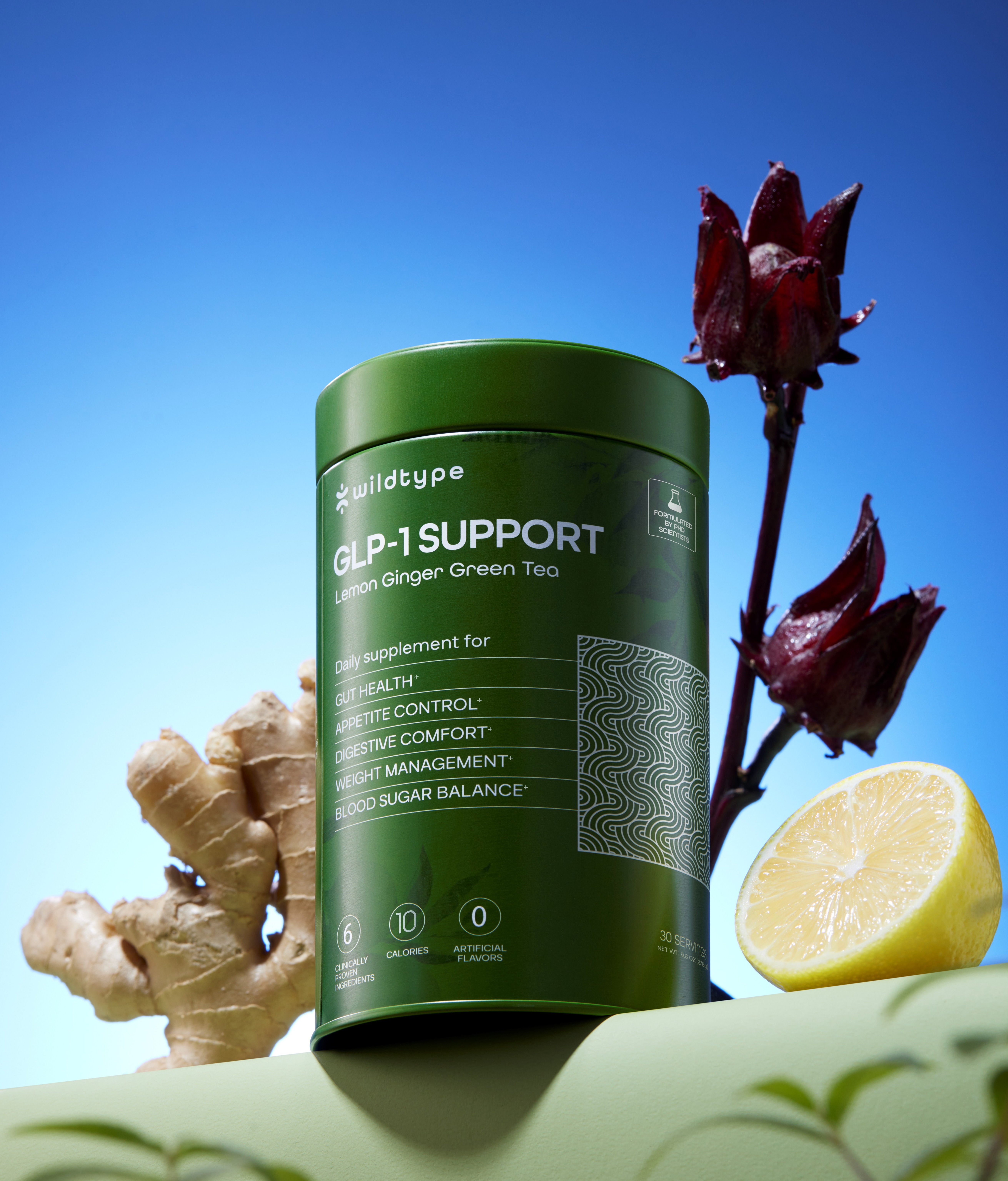
Certain ingredients have been studied for their ability to stimulate GLP-1 secretion naturally, including berberine, inulin, and specific amino acid precursors. Products like Wildtype GLP-1 Support combine these ingredients to support metabolic signaling, reduce cravings, and help you feel fuller for longer—without relying purely on calorie restriction.
Practical tips:
- Take GLP-1 support supplements consistently—effects build over time, not overnight
- Pair with high-fiber meals to amplify the natural GLP-1 response
- Avoid skipping meals, which can blunt GLP-1 secretion
2. High-Fiber Prebiotic Foods
Fiber is having a major comeback—and not just for digestion.
Prebiotic fibers feed beneficial gut bacteria, which in turn produce short-chain fatty acids that influence metabolism, appetite hormones, and blood sugar stability. A well-fed gut microbiome can actually help regulate how much you eat by improving the sensitivity of hunger and fullness signals.
Women looking to break through weight plateaus are increasingly adding foods like:
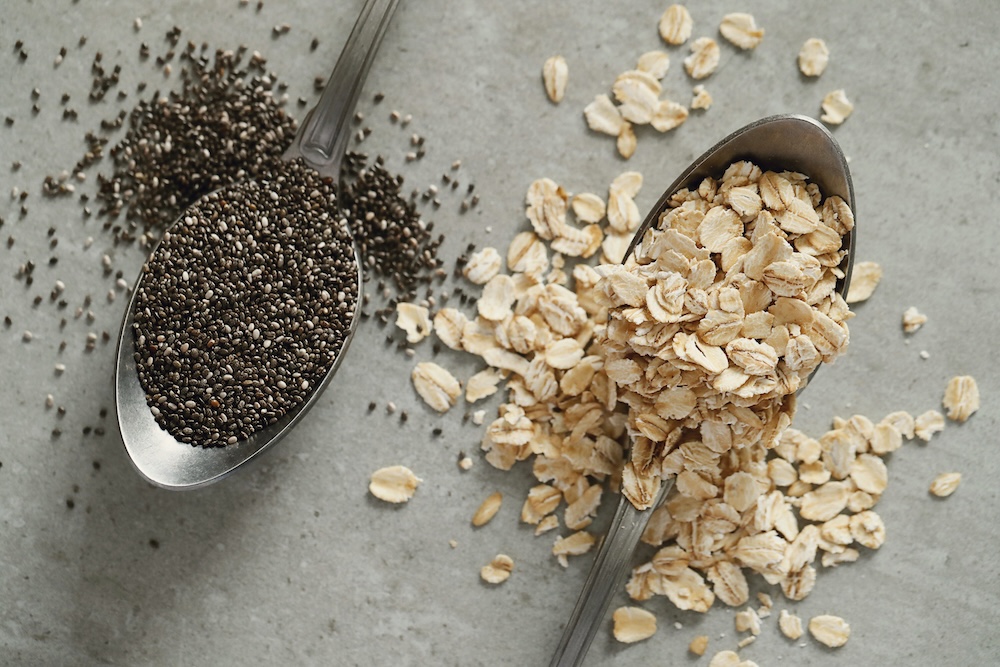
- Chia seeds (11g fiber per oz)
- Artichokes (one of the highest-fiber vegetables)
- Oats (beta-glucan fiber that slows digestion)
- Green bananas and cooked-then-cooled potatoes (resistant starch)
- Leeks, garlic, and onions (inulin-rich prebiotics)
Practical tips:
- Add 1 tbsp of chia seeds to your morning yogurt or smoothie
- Swap white rice for cooked-then-cooled rice (resistant starch increases as it cools)
- Eat a small salad or raw veggies before your main meal to front-load fiber
- Increase fiber intake slowly over 2–3 weeks to avoid digestive discomfort
3. Protein-Forward Snacks
Protein used to be something people focused on only at meals. In 2026, women are prioritizing protein throughout the entire day—and the research backs this up.
Protein has the highest thermic effect of any macronutrient, meaning your body burns more calories digesting it. It also triggers satiety hormones more effectively than carbs or fat, and it's essential for preserving lean muscle mass during a calorie deficit—which keeps your metabolism from slowing down as you lose weight.
Higher protein intake helps:
- Preserve muscle while losing fat (critical for long-term metabolic rate)
- Increase satiety and reduce overall calorie intake naturally
- Reduce late-night snacking and cravings
- Stabilize blood sugar between meals
Instead of ultra-processed snacks, women are reaching for:
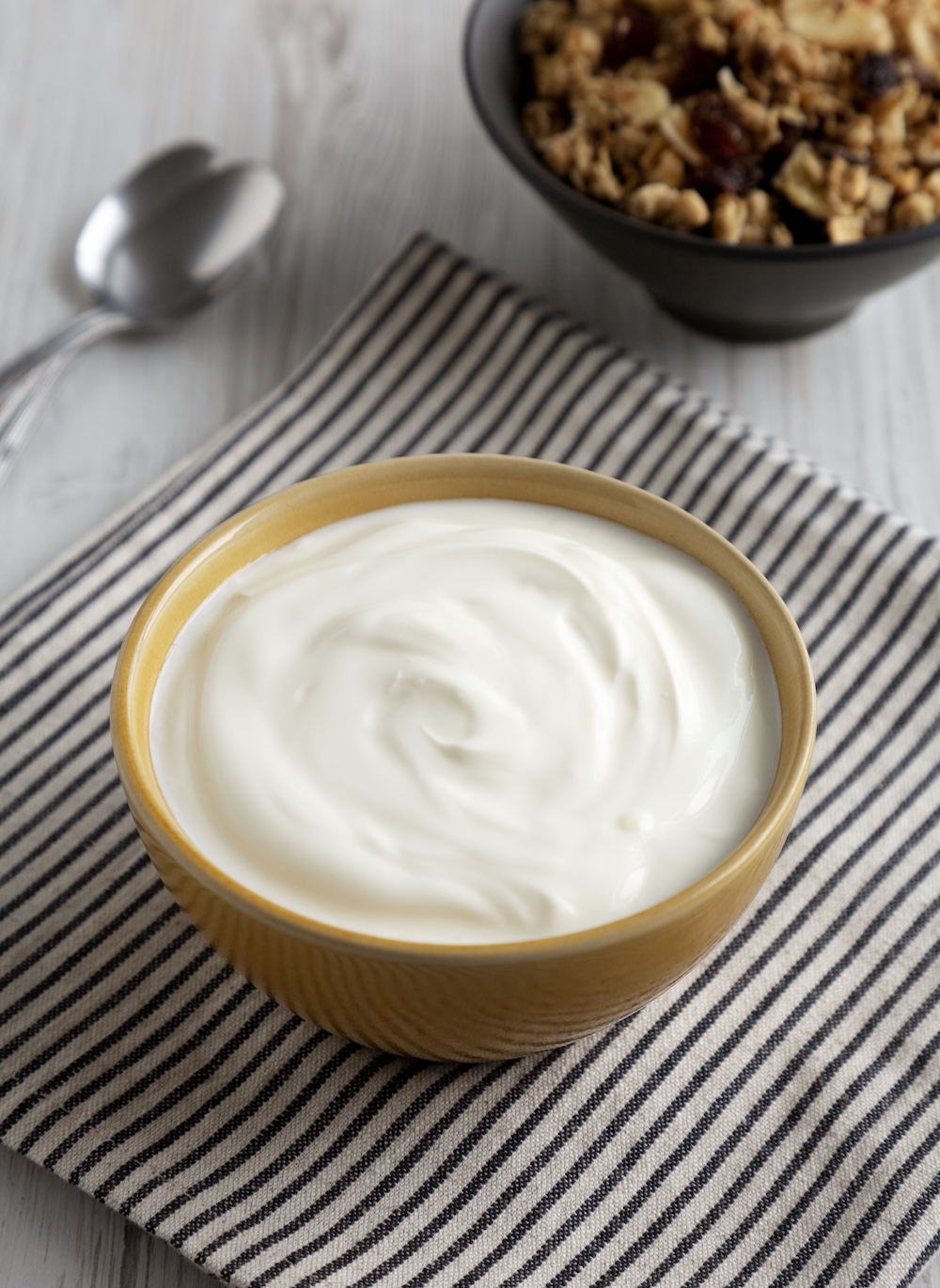
- Greek yogurt (15–20g protein per cup)
- Cottage cheese (25g protein per cup)
- Hard-boiled eggs (6g per egg, portable and filling)
- Edamame (17g per cup, plus fiber)
- Protein smoothies with whey or pea protein
Practical tips:
- Start your day with a protein-first breakfast—it sets your appetite tone for the whole day
- Aim for at least 25–30g of protein per meal to maximize muscle protein synthesis
- Keep high-protein snacks prepped and visible so they're the easy choice
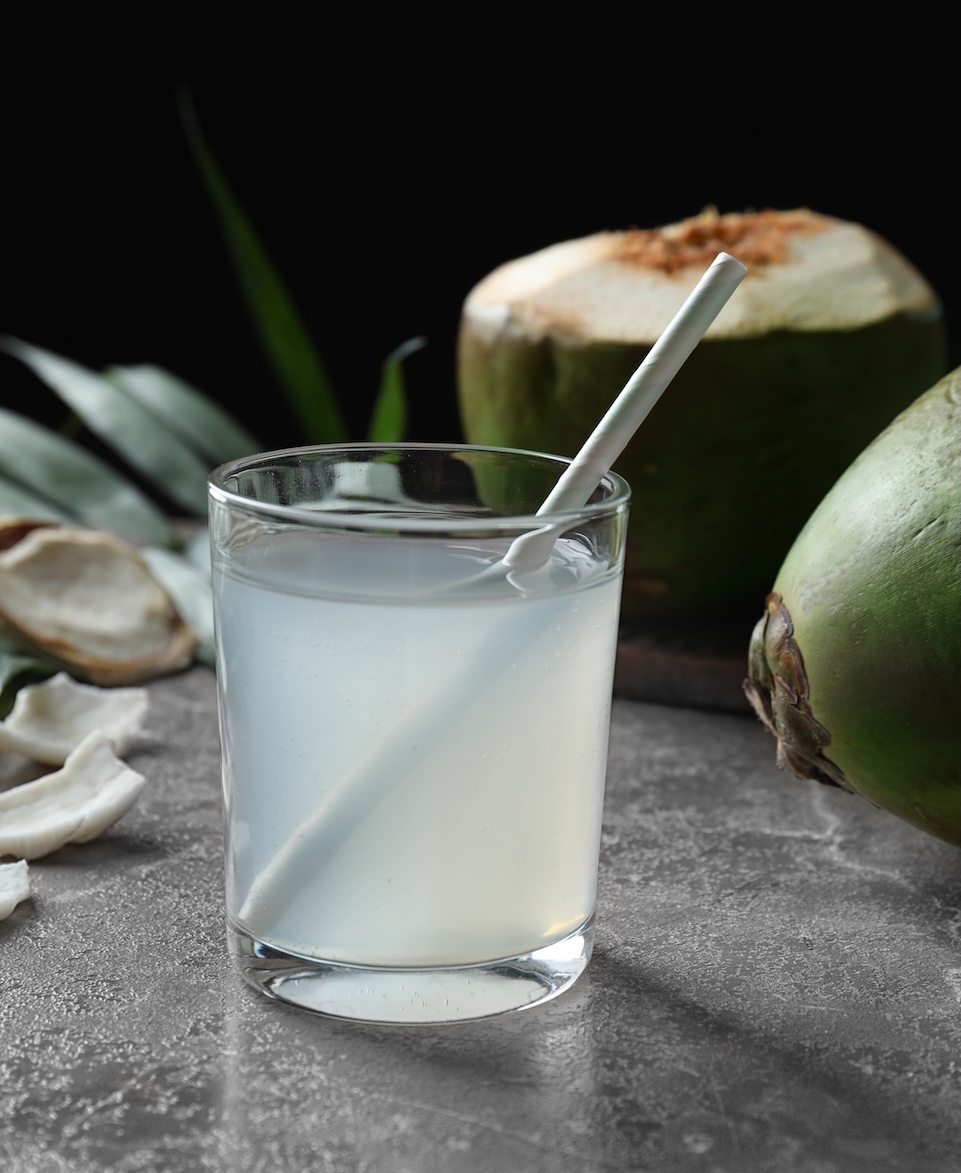
4. Electrolytes for Stress and Cortisol Balance
Chronic stress can stall weight loss even when nutrition and exercise are dialed in. Elevated cortisol—your body's primary stress hormone—promotes fat storage (especially around the midsection), increases cravings for high-calorie foods, and causes water retention that masks fat loss on the scale.
Electrolyte balance plays a direct role here. Magnesium, in particular, is involved in over 300 enzymatic reactions including cortisol regulation, sleep quality, and insulin sensitivity. Many women are chronically low in magnesium without knowing it—and deficiency can amplify stress responses.
Electrolyte blends with sodium, potassium, and magnesium are becoming popular among women trying to support:
- Hydration and cellular energy
- Cortisol regulation and stress resilience
- Sleep quality (magnesium supports deeper sleep)
- Muscle function and recovery after exercise
- Reduced bloating and water retention
Practical tips:
- Add a pinch of sea salt and a squeeze of lemon to your morning water
- Eat magnesium-rich foods: dark leafy greens, pumpkin seeds, dark chocolate, avocado
- Consider an electrolyte supplement on days you sweat heavily or feel fatigued
- Limit caffeine and alcohol, which deplete electrolytes and raise cortisol
5. Blood Sugar–Balancing Foods
Blood sugar spikes and crashes are one of the most underappreciated drivers of overeating. When glucose rises sharply after a meal, your body releases a surge of insulin to bring it back down—often overshooting, which leaves you with low blood sugar, intense hunger, and cravings for more carbs within a couple of hours.
Breaking this cycle is a key focus for women trying to move past plateaus. The goal isn't eliminating carbs—it's keeping glucose levels steady so hunger signals stay balanced and energy stays consistent.
Strategies that work:
- Pair carbs with protein or fat — slows glucose absorption significantly
- Eat vegetables or fiber first — the "food order" approach can reduce post-meal glucose spikes by up to 30%
- Add apple cider vinegar before meals — 1–2 tbsp in water has been shown to blunt glucose spikes
- Choose slower-digesting carbs — sweet potatoes, legumes, and whole grains over white bread and refined sugars
- Walk after meals — even a 10-minute walk can meaningfully reduce post-meal glucose
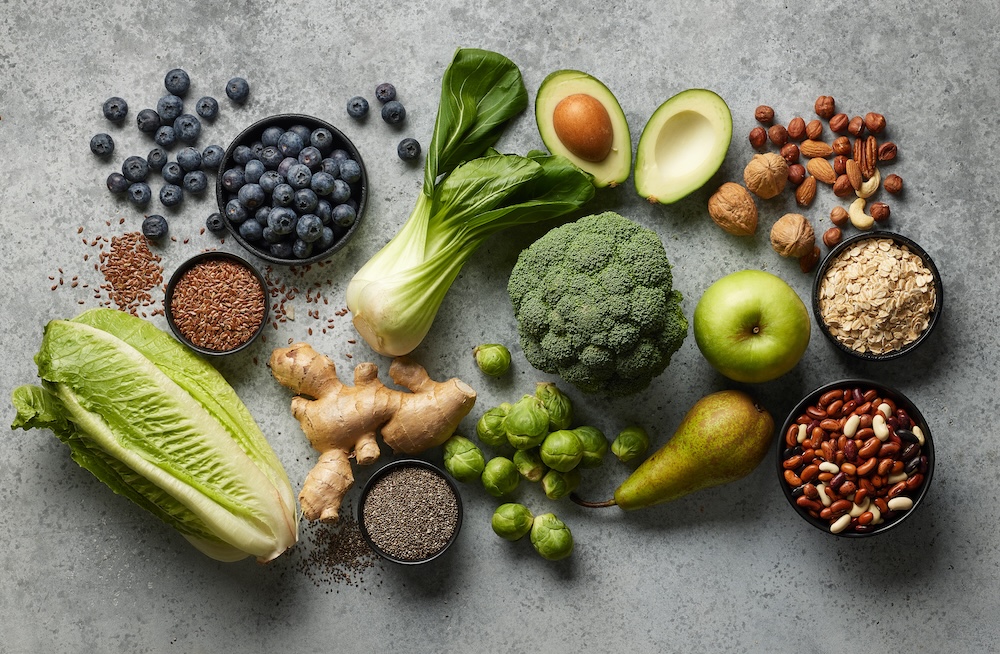
Foods that support blood sugar stability:
- Leafy greens (spinach, kale, arugula)
- Legumes (lentils, chickpeas, black beans)
- Berries (lower glycemic than most fruits)
- Nuts and seeds (fat + fiber combo slows digestion)
- Fermented foods (kimchi, sauerkraut, kefir)
How These 5 Strategies Compare
Not all approaches work the same way or target the same problem. Here's a quick breakdown to help you figure out where to start.
| Strategy | Primary Benefit | Best For | Effort Level |
|---|---|---|---|
| GLP-1 Support | Appetite regulation, reduced cravings | Women who feel hungry all the time | Low — take daily |
| High-Fiber Foods | Gut health, satiety, blood sugar | Women with poor digestion or constant snacking | Medium — requires meal planning |
| Protein-Forward Snacks | Muscle preservation, satiety | Women losing muscle or hitting afternoon slumps | Medium — requires prep |
| Electrolytes | Cortisol balance, hydration, energy | Women who exercise often or feel chronically fatigued | Low — add to water |
| Blood Sugar Balance | Stable energy, fewer cravings | Women with energy crashes or sugar cravings | Medium — habit changes |
How to Stack These Together
These five strategies work even better in combination. Here's a simple daily framework that incorporates all of them without overhauling your entire routine:
- Morning: Take your GLP-1 support supplement. Eat a protein-first breakfast (eggs, Greek yogurt, or a protein smoothie). Add chia seeds or oats for fiber.
- Midday: Eat vegetables before your main meal. Pair any carbs with protein or fat. Drink water with electrolytes if you've exercised.
- Afternoon: Choose a high-protein snack (cottage cheese, hard-boiled eggs, edamame) instead of reaching for something processed.
- Evening: Keep dinner blood-sugar-friendly—lean protein, non-starchy vegetables, and a small portion of slow-digesting carbs. Take a short walk after eating.
- Before bed: Magnesium-rich foods or a magnesium supplement can support sleep quality and overnight cortisol regulation.
The Bottom Line
If the scale hasn't moved in months, it doesn't mean you're doing something wrong. Weight plateaus often happen when hormones, appetite signaling, stress, and metabolism are working against you—not because of a lack of effort.
That's why many women in 2026 are shifting their focus from extreme dieting to supporting how their body regulates hunger, energy, and metabolic health. Fiber, protein, blood sugar balance, electrolytes, and GLP-1 support like Wildtype GLP-1 Support aren't quick fixes—they're tools that work with your biology instead of against it.
Sometimes, the breakthrough isn't about eating less.
It's about supporting your metabolism smarter.