Losing the weight often takes months of discipline.
But for many women, the real challenge begins after the weight is gone.
Because once the goal is reached, a new question quietly appears: How do I make sure it stays this way? The body doesn't just accept its new weight passively. Metabolism can slow by 15–25% after significant weight loss, hunger hormones like ghrelin rise, and satiety hormones like leptin drop—all pushing the body back toward its previous weight.
This isn't a willpower problem. It's biology. And it's why so many women who successfully lose weight find themselves back where they started within a year or two.
That's why in 2026, more women are focusing less on extreme dieting and more on simple daily habits that work with their biology to make maintaining results feel sustainable—not like a constant fight.
Here are five habits that are making the biggest difference.
1. Supporting Appetite Signals
One of the biggest surprises after weight loss is that hunger doesn't stay lower—it often gets worse. Research shows that after losing weight, the body increases production of ghrelin (the hunger hormone) and decreases leptin (the fullness hormone) in a coordinated effort to restore lost weight. This can persist for years after the weight is lost.
This is why so many women feel like they're fighting their own body during maintenance. The hunger is real—it's not a lack of discipline.
That's why many women are looking for ways to support the body's natural appetite-regulation pathways, particularly GLP-1. This hormone, released after eating, signals the brain to stop eating, slows gastric emptying, and helps stabilize blood sugar. Supporting it naturally can help make maintenance feel less like a constant battle.
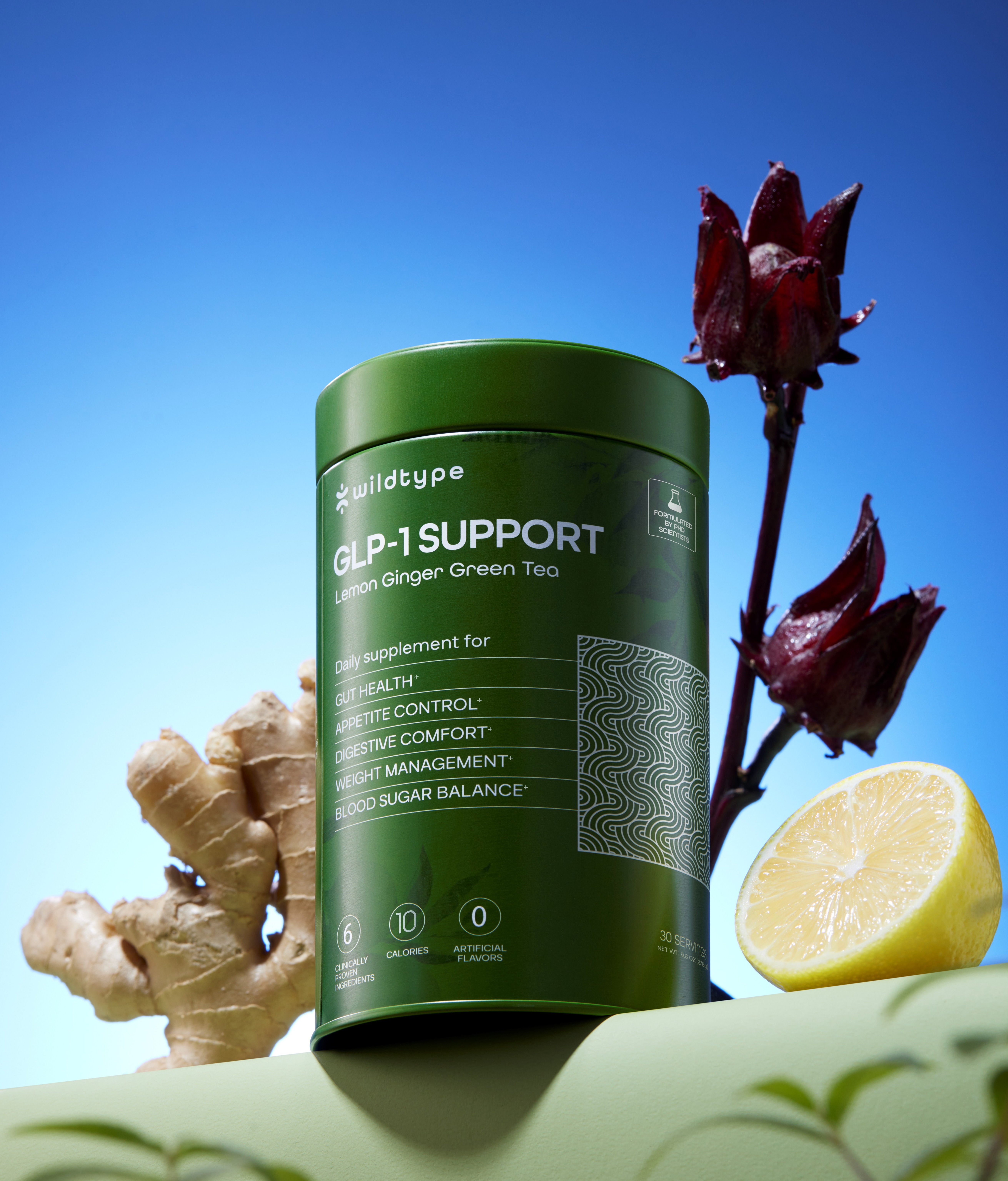
Wildtype GLP-1 Support is designed to support the body's natural GLP-1 response using ingredients like berberine and inulin that have been studied for their role in metabolic signaling.
Practical tips:
- Take GLP-1 support consistently—the effects are cumulative, not immediate
- Eat regular meals rather than skipping—irregular eating patterns blunt GLP-1 secretion
- Pair with high-fiber and high-protein meals to amplify the natural GLP-1 response
- Don't mistake thirst for hunger—drink water first when cravings hit unexpectedly
2. Strength Training a Few Times Per Week
Cardio burns calories during the workout. Strength training changes what your body burns at rest—and that distinction matters enormously for maintenance.
When you lose weight through diet alone, you lose both fat and muscle. Less muscle means a lower resting metabolic rate, which means you need fewer calories to maintain your weight than someone the same size who has more muscle. This is one of the main reasons weight creeps back after dieting.
Strength training reverses this. Building and maintaining muscle mass keeps your metabolism higher, makes your body more insulin-sensitive, and improves how your body partitions calories—storing more as muscle and less as fat.
Practical tips:
- Focus on compound movements that work multiple muscle groups—more muscle recruited means more metabolic benefit
- Progressive overload matters: gradually increase weight or reps over time to keep building muscle
- Eat enough protein on training days—muscle repair requires amino acids
- Don't skip rest days—muscle is built during recovery, not during the workout itself
- Consistency over intensity: two steady sessions per week beats one brutal session followed by a week off

3. Walking More Throughout the Day
One of the most underrated habits for long-term weight maintenance is also one of the simplest: walking more.
Here's why it matters more than most people realize. After weight loss, the body compensates by reducing something called NEAT—Non-Exercise Activity Thermogenesis. This is all the calories you burn through everyday movement: fidgeting, standing, walking around the house, taking the stairs. Research shows NEAT can drop by 300–500 calories per day after weight loss, even without any conscious change in behavior. Your body just moves less.
Intentional daily walking directly counters this. It's low-stress, doesn't spike cortisol, doesn't require recovery time, and adds up significantly over a week.
- Morning walks to start the day with movement and sunlight (which also supports circadian rhythm and sleep)
- Walking after meals — even 10 minutes significantly reduces post-meal blood sugar spikes
- Taking phone calls while walking instead of sitting
- Short evening walks as a wind-down routine
- Parking farther away, taking stairs, walking to errands when possible
Practical tips:
- Track steps with your phone or a wearable—awareness alone tends to increase movement
- Set a walking "anchor habit" — always walk after dinner, or always take a morning walk before coffee
- Walk with a podcast or audiobook to make it something you look forward to

4. Prioritizing Protein at Every Meal
Protein is the most important macronutrient for weight maintenance—and most women aren't eating enough of it.
During maintenance, protein does three critical things. First, it preserves muscle mass, which keeps your metabolism from declining. Second, it has the highest satiety effect of any macronutrient—meals built around protein keep you full longer and reduce the urge to snack. Third, it has a high thermic effect: your body burns roughly 20–30% of protein calories just digesting it, compared to 5–10% for carbs and 0–3% for fat.
Women who successfully maintain weight loss tend to eat significantly more protein than those who regain. It's one of the most consistent findings in weight maintenance research.
Protein-forward meal ideas:
- Eggs or Greek yogurt at breakfast (20–25g protein to start the day)
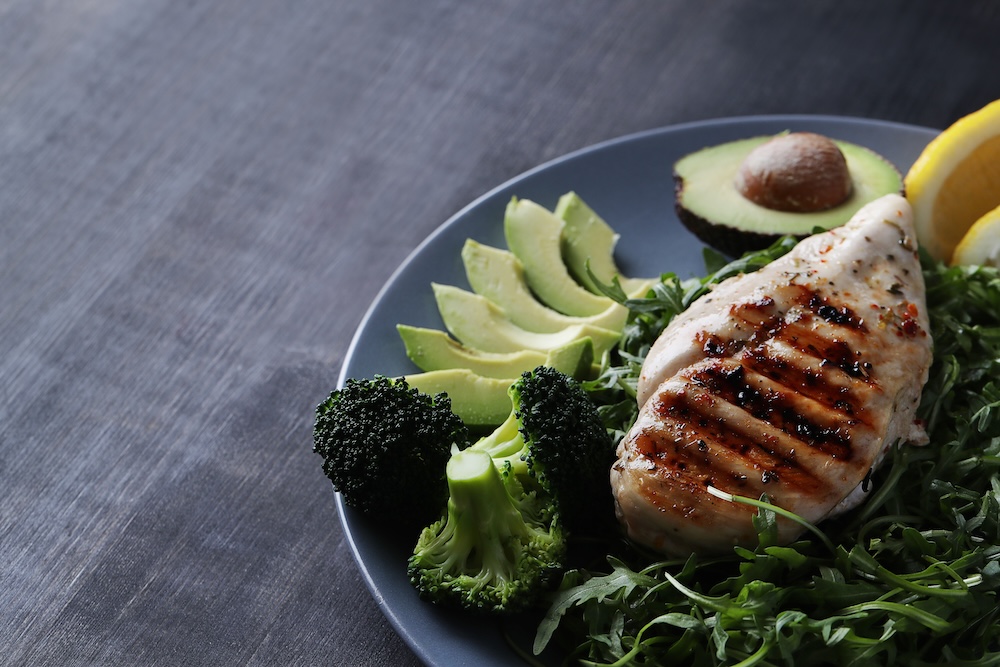
- Grilled chicken, salmon, or tofu as the centerpiece of lunch and dinner
- Cottage cheese, edamame, or hard-boiled eggs as snacks
- Adding protein powder to smoothies, oatmeal, or baked goods
- Lentils and legumes as plant-based protein sources that also add fiber
Practical tips:
- Build your plate protein-first, then add vegetables, then carbs—this naturally controls portions
- Prep protein in batches (grilled chicken, hard-boiled eggs, cooked lentils) so it's always ready
- If you're eating out, scan the menu for the highest-protein option first
5. Protecting Sleep and Stress Levels
Sleep and stress are the two most overlooked factors in weight maintenance—and they're deeply connected to each other and to every other habit on this list.
When you sleep less than 7 hours, ghrelin (hunger hormone) rises and leptin (fullness hormone) drops—the same hormonal pattern that happens after weight loss. Poor sleep also impairs insulin sensitivity, increases cortisol, and reduces willpower and decision-making capacity. Studies show that sleep-deprived people consume an average of 300–500 extra calories per day, mostly from high-carb, high-fat foods.
Chronic stress compounds this. Elevated cortisol promotes fat storage (particularly visceral fat around the abdomen), increases cravings for calorie-dense foods, and can cause water retention that masks progress on the scale.
Sleep habits that support weight maintenance:
- Consistent sleep and wake times—even on weekends—anchor your circadian rhythm
- Keep the bedroom cool (65–68°F / 18–20°C) for deeper sleep
- Avoid screens for 30–60 minutes before bed (blue light suppresses melatonin)
- Magnesium glycinate before bed supports sleep quality and overnight cortisol regulation
- Limit alcohol—it fragments sleep architecture even if it helps you fall asleep faster
Stress management habits that help:
- Daily walks (doubles as both NEAT and stress reduction)
- 5–10 minutes of deep breathing or meditation—even brief practices lower cortisol measurably
- Reducing caffeine after noon, which can elevate cortisol and disrupt sleep
- Social connection—isolation is a significant cortisol driver that's easy to overlook

How These 5 Habits Compare
Each habit targets a different piece of the maintenance puzzle. Here's how they stack up so you can prioritize based on where you're struggling most.
| Habit | Primary Benefit | Best For | Effort Level |
|---|---|---|---|
| Appetite Support (GLP-1) | Reduces hunger, supports fullness signals | Women fighting constant hunger after weight loss | Low — take daily |
| Strength Training | Preserves muscle, keeps metabolism up | Women who lost muscle during dieting | Medium — 2–3x per week |
| Daily Walking | Counters NEAT decline, blood sugar control | Women with sedentary jobs or low daily movement | Low — build into routine |
| Protein Priority | Satiety, muscle retention, thermic effect | Women who snack frequently or feel hungry after meals | Medium — requires meal planning |
| Sleep & Stress | Hormone balance, cortisol control, cravings | Women with poor sleep or high-stress lifestyles | Medium — habit and environment changes |
How to Build These Into Your Routine
The goal isn't to do all five perfectly from day one. It's to layer them in gradually until they become automatic. Here's a simple framework:
- Week 1–2: Start with protein. Audit your current meals and identify where you can add 20–30g of protein. This single change often reduces snacking and cravings on its own.
- Week 3–4: Add daily walking. Set a step goal and track it. Aim for 7,000 steps before adding anything else.
- Week 5–6: Add two strength sessions per week. Keep them short (30–45 minutes) and focused on compound movements.
- Ongoing: Add GLP-1 support if hunger is still a challenge. Fix sleep if cravings are worst in the evening or after poor nights.
The Bottom Line
For women who have already lost the weight, the goal is no longer drastic change. It's consistency—and understanding that your body will push back, and having the right habits in place to push back against it.
Supporting appetite signals, staying active, eating satisfying protein-rich meals, and protecting sleep aren't just nice-to-haves. They're the specific levers that counteract the biological forces working against maintenance.
For women who want extra support with appetite regulation, Wildtype GLP-1 Support fits naturally into a long-term maintenance routine—not as a crutch, but as targeted support for one of the hardest parts of the process.
The progress you worked for is worth protecting. These habits are how you do it.